Legislative Transparency in Real Time
Better Together
StateLens helps organizations identify common ground, coordinate legislative action, and amplify one another’s work—without sacrificing their independence.
Proven in Multiple States
During the 2026 legislative session, more than 20 Oklahoma organizations participated in Oklahoma StateLens, helping citizens, advocates, and lawmakers better understand legislative activity in real time.
StateLens has already demonstrated its ability to bring organizations together around a shared legislative intelligence platform.
2
Live
3
Ready
41
Partner Organizations
41 organizations ready to collaborate during various state legislative sessions.
29,977
Bills Tracked
Extensive tracking of bills and roll call votes enhances transparency and engagement.
Built for Organizations Like Yours
Public Policy ORGANIZATIONS
Government Accountability Groups
Legislative Scorecard Projects
Coalition Partners
State Advocacy Organizations
Citizen Advocacy Groups
Research Institutes
Legislative Caucuses
Independent Voices. Shared Awareness.
Each participating organization decides:
Which Bills to Follow
What Positions to Publish
When to Speak
Whether to Coordinate With Others
Join StateLens
Become part of a growing network of organizations committed to better legislative awareness and more effective collaboration.
Track Legislation
Monitor bills, committee meetings, floor calendars, and legislative activity from a single, shared platform.
Compare Perspectives
See where participating organizations agree, disagree, or are still evaluating legislation as sessions unfold.
Coordinate Around Common Ground
When priorities align, organizations can coordinate their efforts while maintaining their own mission and voice.
Multiply Your Impact
Shared awareness leads to better timing, stronger advocacy, and greater influence than organizations can achieve alone.
Why Organizations Participate
Save Research Time
Discover Allies
Coordinate Strategy
Monitor Committees
Publish Recommendations
Strengthen Statewide Coalitions
What Lawmakers Are Saying

"It has been an invaluable tool."
— Oklahoma Senator
Shane Jett

“It saves a lot of time.”
— Oklahoma Senator
Kendal Sacchieri
StateLens in Action
Recent National Partners
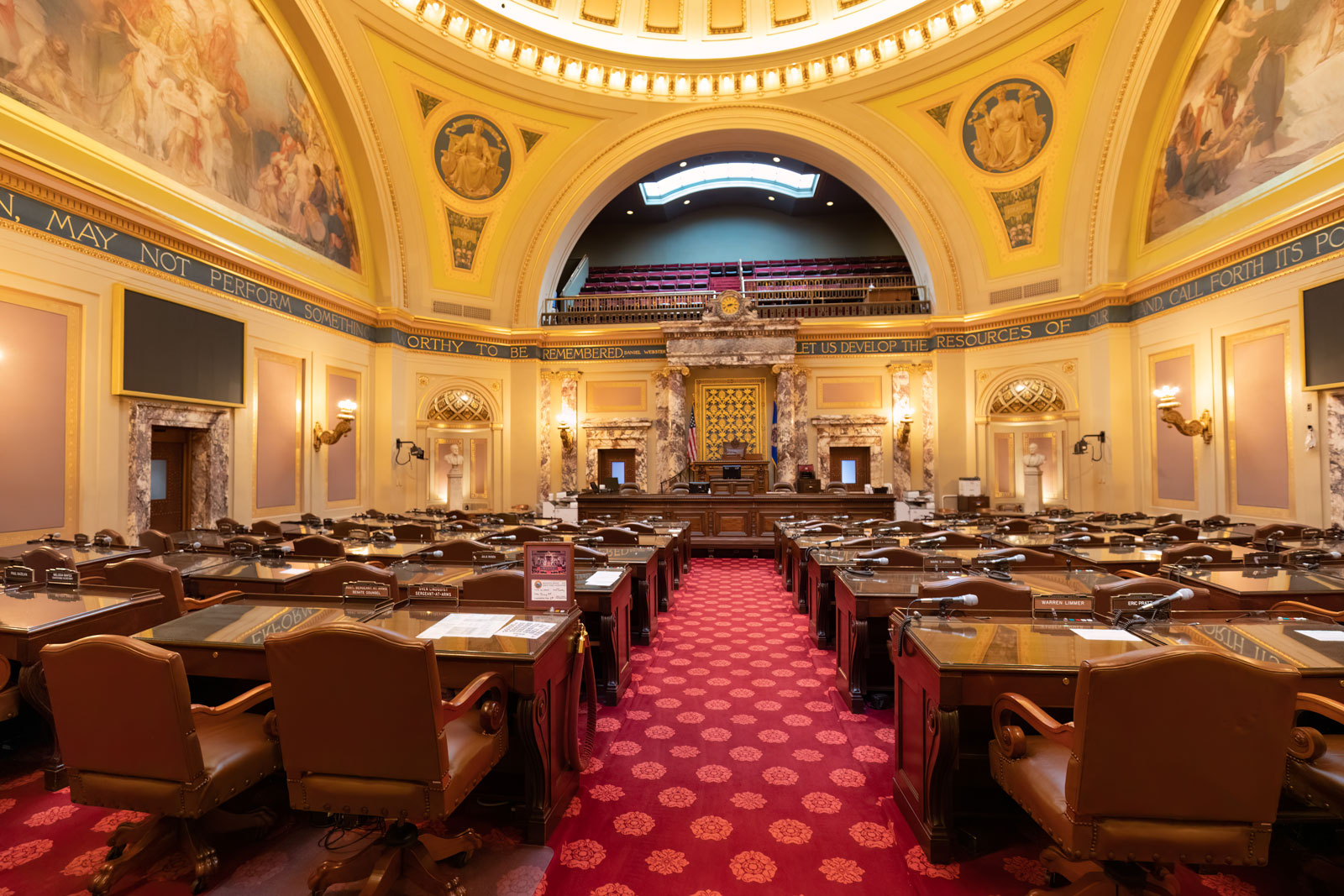
Participate in StateLens
Organizations can contribute legislative perspectives and participate in a shared transparency platform designed to make state government easier to understand.
StateLens welcomes policy organizations, civic groups, and public-interest advocates from across the political spectrum and is expanding to additional states.